7 Simple Tricks To Moving Your Biomass Boiler Housings Containers
Biomass Boiler Housings Containers Biomass boilers have become an increasingly popular option for heating systems using fossil fuels. They heat businesses and homes by transferring heat through underground lines that are insulated. This kind of heating system can be dangerous if it is not maintained or installed correctly. Fortunately biomass boiler housings, containers for biomass boilers can eliminate these problems by increasing the fire protection of your facility. Strength and Security Biomass boilers can be an excellent source of renewable energy that can help reduce heating costs. These boilers are also a good option for those looking to decrease their carbon footprint and support sustainable initiatives. These biomass heating systems produce heat by burning biomass fuels such as wood chips or pellets. The heat produced can be used to heat commercial or residential structures. These systems can also be integrated into heat distribution networks to supply hot water to multiple buildings or even entire communities. Unlike fossil fuels, biomass is a renewable energy resource that can be used repeatedly and over. The sustainability of biomass is due to the fact that organic materials like wood, can be recycled or harvested to create more biomass. Making use of renewable resources to generate heat reduces the necessity for fossil fuels that are finite which reduces greenhouse gas emissions and polluting. Besides being environmentally friendly biomass could save you money on your heating bill since it is cheaper than natural gas. A biomass boiler makes use of a system of tubes to distribute heat throughout the building. The boiler is usually connected to the main heating system through insulated pipework that is installed in the ground. Thermal Earth's preinsulated pipes are ideal for this type installation, as they come in lengths that range from 350 meters. As biomass boilers burn organic material they release smoke and ash into the air. They require more maintenance than other heating systems. Cleaning and removing ash is part of the boiler maintenance process. In addition, it is essential to monitor the levels of water and the combustion equipment. In the UK the location of a biomass boiler needs to be approved by the planning authorities. A biomass boiler that is new can be considered a permitted development if it is placed in an exterior structure or in a specially built structure. It must, however, be located at least 10 meters away from any combustible building. It is important to adhere to building regulations regarding clean air, ventilation and noise. Portability Biomass is a fantastic way to reduce the carbon footprint of your home. A biomass boiler provides you with an eco-friendly and cost-effective heating solution. The units burn sustainably sourced wood chips, which generate energy and offset carbon dioxide emissions that occur during the growth of trees. The system is also an eco-friendly alternative to fossil fuel heating and could qualify you for the Renewable Heat Incentive. This program will pay for the use of heat every quarter and is able to be used to offset the initial cost. It also gives a decent return over the lifetime of the unit. The biomass boiler room and fuel store are constructed out of a converted shipping container that is insulated, fitted with all electrics and plumbing and customized to meet your needs for heat. These units can be utilized in a variety of applications including agricultural and commercial areas. The 40ft container has enough space to accommodate heating systems, while permitting storage of additional equipment and storage. These units are an excellent option for farms who need to heat barns, greenhouses and poultry sheds. They can also be used to heat large commercial buildings, office complexes, and industrial buildings. They can also be used to generate sustainable energy and eco-friendly solutions. A biomass system is easy to install and can be retro-fitted to replace an existing fossil fuel boiler. Once installed, the biomass boiler will automatically start producing heat as required, which will reduce the cost of energy. The system can be connected to the hot water supply by insulated underground pipes. This will ensure that your whole heating system is powered by biomass, which will reduce your overall energy consumption and carbon emissions. In the UK, Thermal Earth supplies a range of biomass heating systems. The Ponast Mini Containers, for example are designed to house one biomass boiler as well as a fuel store. These units can be set on the concrete slab or inside a specially-built structure. These units are perfect for situations where you only require one boiler and allow for a Guntamatic Powerchip 100kW boiler. They are easy to transport on site, and can be lifted up using HIAB cranes or trucks. Cost-Effectiveness Biomass Boiler Housings Containers offer an economical solution for a range of applications. These waterproof, converted shipping containers can be used to store fuel and boilers as well as provide space for the necessary maintenance equipment. These containers are suitable for a range of domestic and commercial purposes, including central heating in large commercial buildings or residential areas. One of the main benefits of biomass systems is their ability to produce hot water for central heating and cooking. This lowers the cost of fossil fuels in the traditional way and lowers energy costs by as much as 50 percent. Biomass also has lower carbon footprint than fossil fuels, and can be sourced from renewable sources like wood pellets and logs. However the initial investment for biomass systems can be a bit prohibitive. There are methods to reduce the cost of a biomass system including by taking advantage of government incentives such as the Renewable Heat Incentive. In addition homeowners can save money by purchasing their boilers from a specialist supplier. Another way to cut down on the initial cost of biomass systems is to find out how big of a boiler you will need. An installer will assist you in determining the capacity you need for your home, and will then recommend the most suitable biomass boiler for your home. It is important to ensure that you have enough storage space to store the biomass fuel you require, as it will need to be replenished frequently either manually or automatically. It is also important to ensure that the fuel is not damp as moisture can reduce the efficiency of your boiler. Depending on your home's size depending on the size of your home, you may need to install several biomass boilers in order to achieve the required heating capacity. These units are small and lightweight. This makes them a great option for large commercial and industrial spaces that are unable to accommodate traditional heating systems. 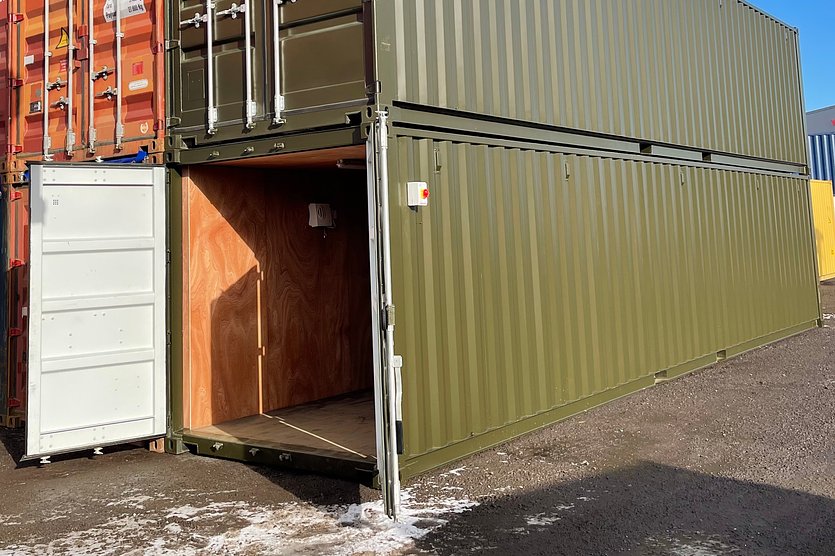 It's important to consider your heating needs when choosing the right biomass system for your commercial or industrial construction. Installers can suggest the most suitable boiler and fuel storage for your business and provide advice on how to maximize its performance. Customization Biomass heating systems can be adapted to meet the particular requirements of each customer. This means that you can have a turnkey solution which is simple to install and cost-effective. This kind of solution is ideal well for projects with tight deadlines or budgetary constraints. In addition to the boiler, other components of the system may be modified to meet the specific requirements of the client. If relevant web-site has particular fuel requirements, a fuel storage can be built in the boiler room. A heating system that has an insulation chimney system that matches the boiler as well as the storage space could also be installed. A biomass boiler system is a wise investment that will pay back in the long run with lower costs for fuel and maintenance costs. It is crucial to consider the total cost of ownership before making a choice, including installation expenses and other costs associated with the project. It is also important to consider how future-proof the boiler will be, and if it is in line with current and upcoming environmental regulations. Colchester Zoo, for example, recently invested in an in-container biomass boiler as well as fuel storage. The installation was completed in 10 weeks and features an advanced air quality control unit, large fuel store, and remote monitoring capabilities. This lets the zoo maximize its energy efficiency, while also aligning with its sustainability goals. Before installing a biomass boiler it is essential to conduct a thorough site survey and evaluation. This will include evaluating location and accessibility for maintenance and fuel delivery, as well as making sure that the boiler is in compliance with building and environmental standards and regulations. A certified installer is required to oversee the boiler's installation and configuration. It is important to choose the correct biomass boiler for your home or office to minimize your carbon footprint. Biomass boilers are an eco-friendly and sustainable alternative to gas-fired boilers. It's also an affordable option for commercial areas or agricultural applications as well as renewable energy projects. Contact a reputable provider of biomass boilers today to find out more about the energy solutions that biomass can offer.